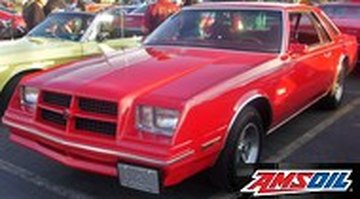
Lubrication Maintenance for the 1981 Chrysler CORDOBA 5.2L
Maintaining a vehicle from the early 1980s requires a shift in perspective compared to modern automotive care. For owners of a 1981 Chrysler CORDOBA equipped with the 5.2L engine, routine service is not just about following a schedule; it is about monitoring the physical condition of aging components and ensuring that the lubrication system remains effective. Because mechanical parts and seals change over decades of use, proactive observation is often more valuable than strictly adhering to generic maintenance intervals.
Monitoring Fluid Integrity and Engine Condition
A primary aspect of engine care involves observing how fluids behave within the system. For a 5.2L engine, regular checks of the lubricant can reveal much about the internal state of the vehicle. When performing routine inspections, look for changes in the appearance or consistency of the oil. If the fluid appears excessively dark or contains visible particulates, it may indicate that the oil is reaching the end of its effective service life or that contaminants are present.
It is also useful to monitor for any signs of unusual consumption. While all engines consume a small amount of lubricant over time, a noticeable drop in levels between service intervals warrants investigation. Such changes can be associated with various factors, including the condition of internal seals or the integrity of the crankcase ventilation system. Rather than assuming a specific component has failed, an owner should treat any significant change in oil level as a prompt for a more thorough inspection of the engine bay.
Additionally, keep an eye out for external signs of seepage. Inspecting the areas around gaskets and seals for dampness or residue can help identify potential leaks before they become significant issues. Because older vehicles may have experienced various thermal cycles over many years, checking these sealing surfaces during every oil service is a practical way to maintain engine cleanliness and prevent fluid loss.
Prioritizing Long-Term Engine Care
As a vehicle ages, the strategy for maintenance should transition from simple part replacement to condition-based monitoring. For the 1981 Chrysler CORDOBA, this means using the current physical state of the engine to dictate service priorities. If you are stepping into ownership of this vehicle without a complete service history, establishing a baseline is an excellent first step.
To establish this baseline, begin by documenting all recent fluid changes, filter replacements, and any repairs performed. Once you have a clear picture of what has been done recently, you can focus your attention on areas that show signs of wear. For example, rather than replacing every rubber component based solely on the vehicle's age, prioritize those that show visible cracking, hardening, or signs of heat damage. This approach ensures that maintenance efforts are directed where they are most needed, preventing unnecessary expenditures while addressing active concerns.
Reviewing available repair records is also vital. If previous owners addressed specific issues, such as cooling system repairs or electrical work, those areas may require more frequent monitoring. Consistent record-keeping allows you to track patterns—such as whether a certain seal requires more frequent inspection or if the engine's operating temperature remains stable under different loads.
Observing Potential Warning Signs
Understanding how to interpret symptoms is a key skill for any owner of a classic Chrysler. It is important to remember that many mechanical symptoms can have multiple underlying causes, and a single observation should not be used to jump to a definitive diagnosis. However, certain signs should always prompt closer inspection.
If you notice unusual mechanical noises while the engine is running, such as rhythmic tapping or heavy knocking, this warrants immediate investigation. Similarly, any changes in how the engine responds to throttle input or idling can be associated with various lubrication or fuel-delivery factors. If an oil-related warning indicator appears on the dashboard, it should be treated as a priority event requiring professional diagnostic attention.
Exhaust observations can also provide clues. While some level of exhaust output is normal, changes in color or consistency may indicate that something is entering the combustion process. For instance, certain types of smoke may suggest that lubricant is being introduced into the combustion chamber. Rather than attempting to identify a specific failed part, use these observations as a guide for where to direct your mechanical inspections.
Managing Aging Engine Components
The 5.2L engine relies on several peripheral systems to operate efficiently. When performing routine maintenance, it is wise to inspect any accessible components that are subject to heat and vibration. If equipped, check the condition of drive belts for signs of glazing, fraying, or surface cracking. Similarly, if the vehicle is equipped with various hoses, inspect them for softness, bulging, or evidence of leaks at the connection points.
Electrical connections and wiring also require attention as a vehicle ages. Ensure that connectors are secure and free from significant corrosion, which can affect sensor readings and overall engine performance. Even if the engine is running well, a quick visual check of these components during an oil change can prevent unexpected electrical issues later on.
Practical Steps for Effective Ownership
Effective ownership of a 1981 Chrysler CORDOBA involves a combination of regular inspection and thoughtful decision-making. By focusing on the actual condition of the vehicle rather than relying solely on age-based assumptions, you can maintain the engine more efficiently. This includes:
- Documenting Observations: Keep a log of fluid levels, any observed leaks, and the dates of all service performed.
- Conducting Visual Checks: Make it a habit to look under the hood during every fuel fill-up or oil change to spot new seepage or worn belts.
- Addressing Issues Early: Small leaks or minor noises are much easier and less expensive to address than major mechanical failures resulting from neglect.
- Using Quality Parts: When repairs are necessary, ensure that any replacement filters or seals meet the appropriate standards for this specific engine application.
Buying Engine Oil for the 1981 Chrysler CORDOBA 5.2L
When it is time to replenish your engine's lubricant, the most important step is to match the product to the specific requirements of your vehicle. Because different engines and operating conditions require different formulations, you should not rely on general automotive knowledge or assumptions based on the vehicle's age.
Always refer to the application-specific oil viscosity and lubricant information provided on this webpage before making a purchase. The correct grade is essential for ensuring that the engine receives adequate protection during both startup and sustained operation. When selecting your oil, you may choose between conventional, synthetic blend, or full synthetic formulations depending on what is listed in your vehicle's specific application data. Additionally, if your engine shows signs of aging, some high-mileage oil formulations contain additives intended for use in older engines, including seal-conditioning agents.
Before finalizing your purchase, check the product labeling to ensure it meets the appropriate API service certifications. By strictly following the viscosity and application guidance displayed on this page, you can ensure that your 1981 Chrysler CORDOBA 5.2L receives the correct lubrication for its continued operation.